A Nation-wide Initiative By

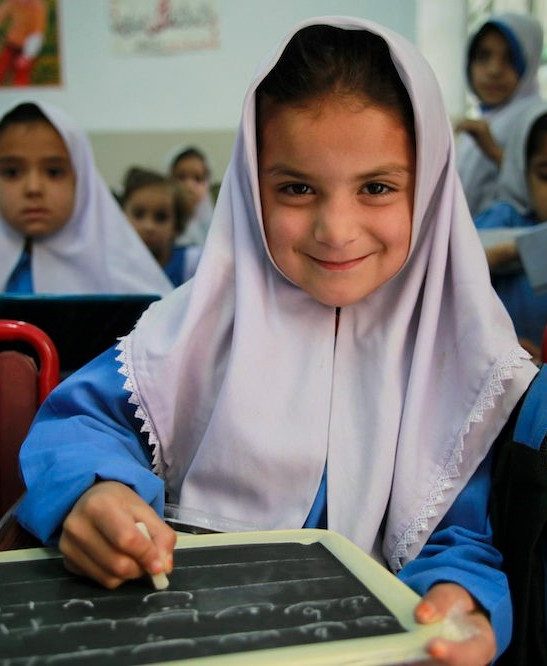
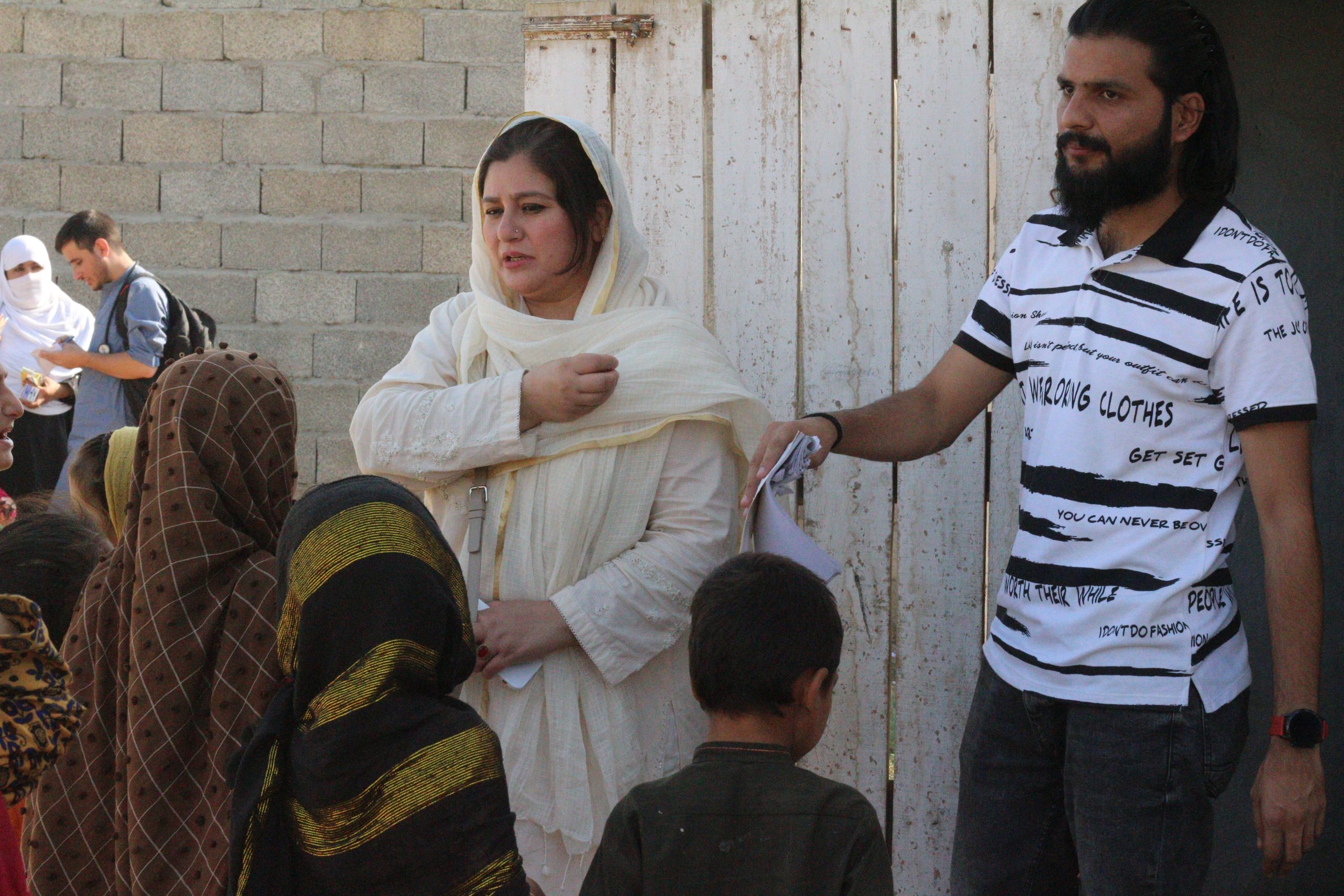
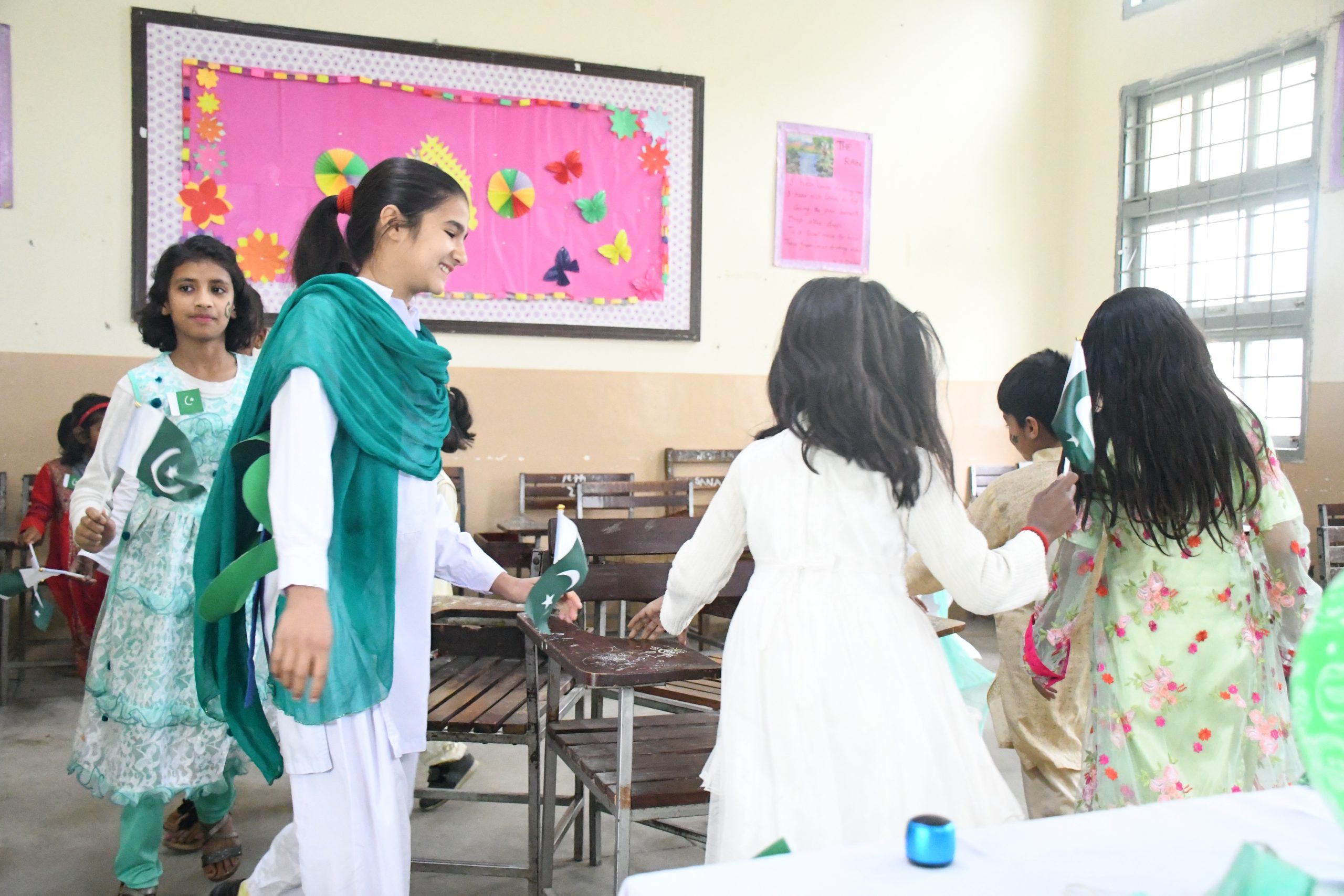
Star Schools are community-based Non-Formal Education (NFE) centres established by the Pakistan Alliance for Girls’ Education (PAGE) to reach out-of-school children (age 5-16 years) —especially girls—in Pakistan’s most underserved and marginalized communities.Operating under the Accelerated Learning Program (ALP) approved by the Government of Pakistan and developed by JICA, Star Schools condense five years of primary education into 36 months, enabling children who have missed schooling to rapidly catch up and transition into formal education. Moreover, the community model recruits local female teachers from the same community to ensure maximum support rolled out to the women in the vicinity.
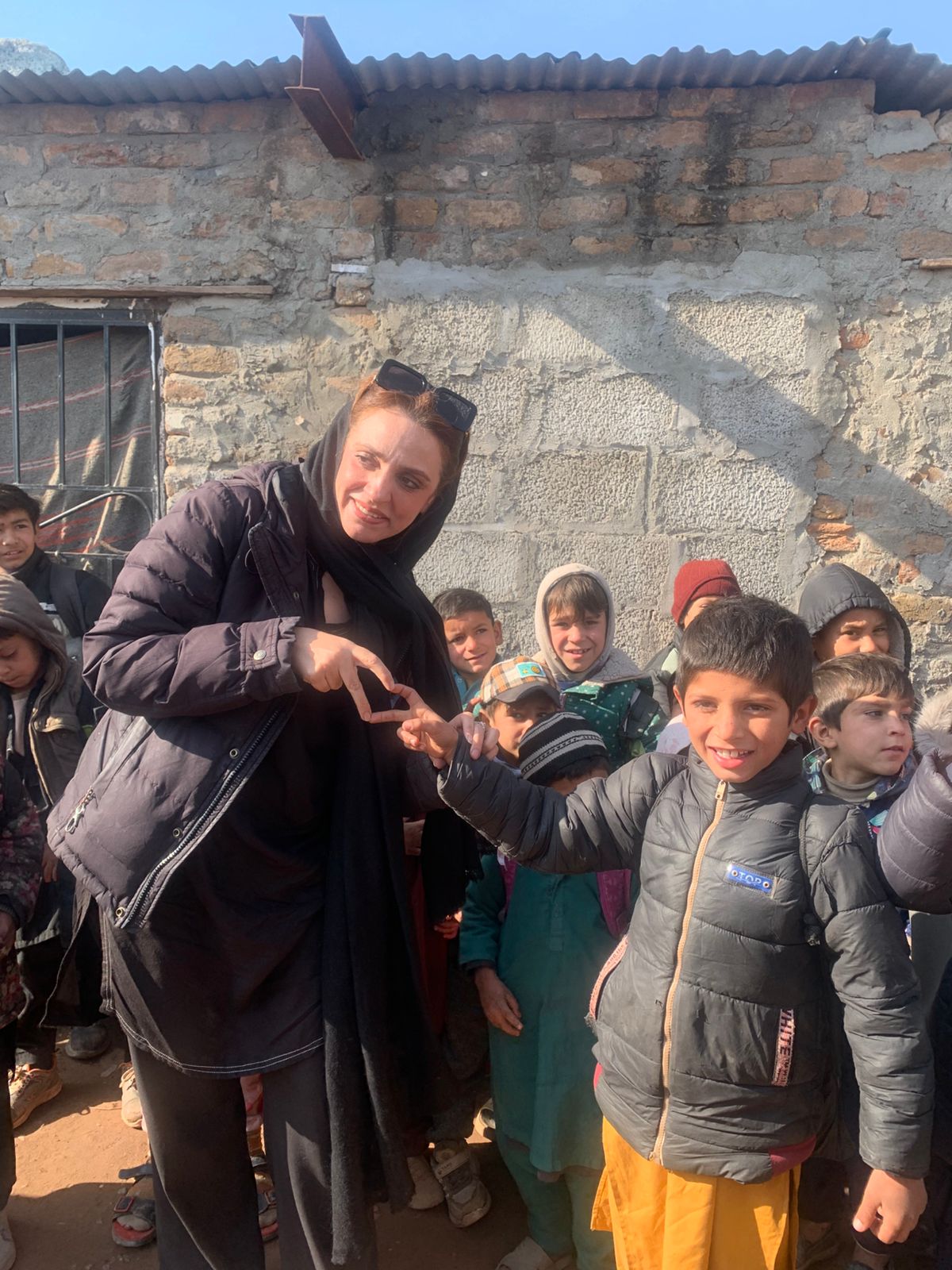
PAGE currently operates nationwide, serving over 60% girls in hard-to-reach areas, including Sindh, Tharparkar, AJK, Gilgit-Baltistan, and refugee communities. Schools are typically established where:
Each Star School is community-supported, staffed with trained facilitators, and complemented by teacher training, community mobilization, safeguarding measures, hygiene support, and ongoing monitoring. The model ensures safe, inclusive, gender-responsive, and culturally sensitive learning environments.
PAGE actively collaborates with partners and stakeholders to bring more quality and support for girls and women from underserved communities. PAGE’s Model scalability, validated by national coverage and international recognition (UNESCO, Library of Congress).


1.
Access to education for the most excluded children, including girls, minorities, refugees, and children from extremely poor households
2.
Rapid reduction in out-of-school rates through accelerated, quality learning pathways
3.
Increased enrolment and retention, as financial barriers for parents are removed
4.
Improved literacy and numeracy outcomes via a structured ALP curriculum and trained teachers
5.
Empowerment of girls, reducing risks of early marriage, child labour, and exploitation
6.
Climate-resilient education, through solar-powered schools and energy-efficient infrastructure
7.
Strengthened community ownership, ensuring sustainability beyond donor funding
8.
Lower long-term operational costs, especially through solar installations and durable school structures
9.
Improved transitions to formal schooling, supported by assessments, certification, and coordination with government systems
10.
Model scalability, validated by national coverage and international recognition (UNESCO, Library of Congress)
The Star Schools programme delivers systemic, long-term change at individual, community, and national levels:
Overall, Star Schools serve as a bridge from exclusion to opportunity, transforming lives while reinforcing Pakistan’s commitment to inclusive and equitable education.
Nation Wide
Pakistan
Recruitment of trained facilitators as per government criteriaTeacher training on: